

Mining Equipment for Crushing, Grinding and Material Handling
Shenyang Muren supplies mining equipment for metal mines, quarries and mineral processing plants, covering crushing, grinding, feeding and conveying. Equipment selection and configuration are based on material characteristics, required throughput, target product size and site conditions.
Individual machines and project-specific equipment configurations are available for new processing plants, capacity upgrades and existing equipment replacement.
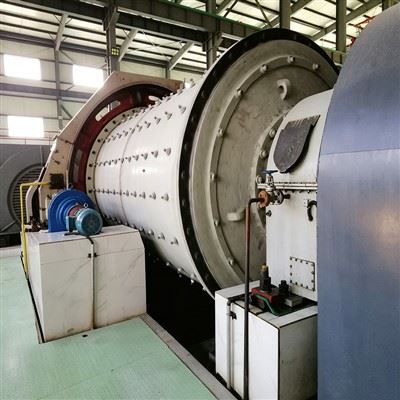
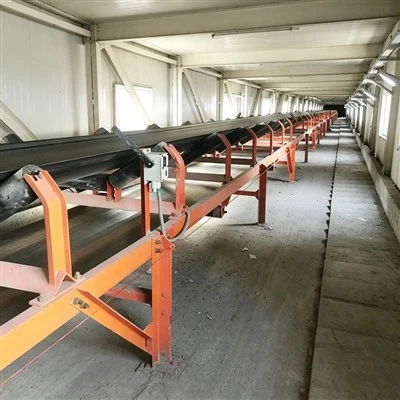
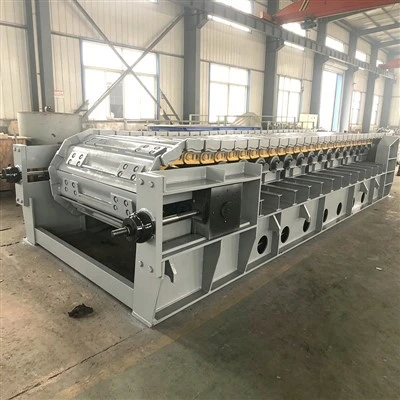
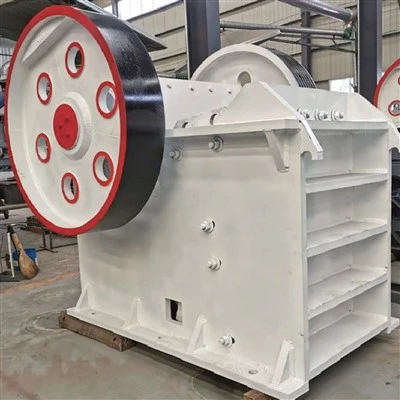

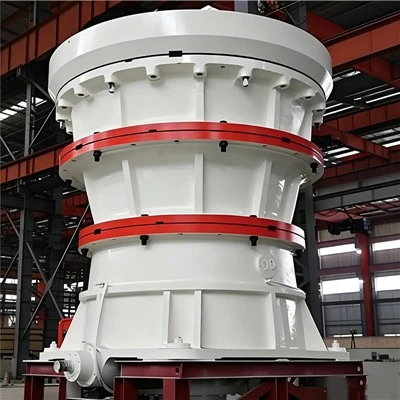
Mining Equipment by Processing Stage
Muren supplies equipment for key stages of mineral processing, from material feeding and primary crushing to grinding and conveying.
|
Processing Stage |
Typical Equipment |
Main Function |
|
Feeding |
Vibrating Feeder, Apron Feeder |
Regulates material flow into the processing line |
|
Primary Crushing |
Jaw Crusher, Gyratory Crusher |
Reduces large feed material |
|
Secondary / Fine Crushing |
Hydraulic Cone Crusher |
Further reduces crushed material |
|
Grinding |
Ball Mill, SAG Mill |
Reduces crushed material to the required particle size |
|
Conveying |
Belt Conveyor |
Transfers bulk material between processing stages |
Mining Equipment Range
The following categories cover common equipment used in mining and mineral processing. Capacity, dimensions and configuration vary by model and operating conditions. Final specifications should be confirmed against the selected equipment model and project requirements.
Crushing Equipment
Primary and secondary crushing equipment for hard rock and mineral ores.
|
Equipment |
Capacity |
Maximum Feed Size |
Typical Role |
|
Jaw Crusher |
50–800 tph |
480–1,020 mm |
Primary crushing |
|
Hydraulic Cone Crusher |
80–1,200 tph |
50–350 mm |
Secondary / fine crushing |
|
Gyratory Crusher |
Model dependent |
Model dependent |
High-capacity primary crushing |
Grinding Equipment
Grinding equipment for reducing crushed ore to the required particle size.
|
Equipment |
Shell Diameter |
Grinding Media |
Media Size |
|
Overflow Ball Mill |
1.5–5.5 m |
Forged steel / high-chrome cast balls |
30–120 mm |
|
Grate Discharge Ball Mill |
1.5–5.5 m |
Forged steel / high-chrome cast balls |
30–120 mm |
|
SAG Mill |
1.5–5.5 m |
Forged steel / high-chrome cast balls |
30–120 mm |
Feeding & Conveying Equipment
Equipment for controlled feeding and bulk material transfer between processing stages.
|
Equipment |
Handling Capacity |
Control |
Main Construction |
|
Heavy-Duty Vibrating Feeder |
100–1,000 tph |
VFD / PLC |
Welded steel box / high-manganese bars |
|
Apron Feeder |
100–3,000 tph |
VFD / PLC |
Heavy steel frame |
|
Belt Conveyor |
100–3,000 tph |
VFD / PLC |
Steel frame / impact-resistant rollers |
Actual capacity is selected according to material type, feed size, discharge size, material hardness and operating conditions.
Key Factors for Equipment Selection
Equipment selection should reflect the operating requirements of the complete processing line rather than equipment type alone.
Material Characteristics
Ore or rock type, hardness, abrasiveness, moisture content and maximum feed size influence equipment selection, wear-part requirements and operating conditions.
Required Capacity and Product Size
Target throughput and discharge size determine the required equipment model and may affect the number of processing stages and overall configuration.
Existing Plant Interfaces
For replacement or upgrade projects, foundation dimensions, footprint, mounting points, drive connections and material inlet and outlet positions should be checked against the existing installation.
Site Power Supply
Available voltage and frequency must be compatible with the motor, drive and electrical configuration. Options such as 380 V, 440 V, 480 V or 660 V at 50 Hz or 60 Hz should be confirmed for the selected equipment.
Engineering for New and Existing Plants
Mining equipment can be supplied for new processing plants or replacement projects. Equipment configuration is adjusted according to the process, site conditions and installation requirements.
New Plant Projects
For new plants, Muren supports equipment sizing and layout development based on the planned processing flow and site requirements.
Processing flowsheet evaluation
Equipment sizing
2D and 3D layout support
STEP and DWG drawing files
Electrical drive configuration for site power requirements
The supply scope can include the main machine, drive system, electrical configuration, feed hopper, skid-mounted structure and applicable wear parts, depending on project requirements.
Existing Plant Replacement
Replacement equipment may need to match existing foundations, dimensions and connections. The following information can be used for configuration checks:
Existing foundation dimensions
Bolt-hole patterns
Equipment footprint
Motor and drive connections
Existing equipment drawings
Required replacement dimensions
Custom configurations can include feed hoppers, mobile frames and skid-mounted crushing units where required by the installation.

Manufacturing and Inspection
The manufacturing process covers steel fabrication, welding, heat treatment, machining, inspection and equipment testing.
Steel Cutting and Welding
Q355B and Q460 steel plates are processed by CNC flame or plasma cutting and assembled using automatic submerged arc welding for applicable heavy structural components.
Heat Treatment
Large annealing furnaces are used to relieve internal stress in welded mill shells and crusher frames before final machining and assembly.
Precision Machining
Large vertical turning lathes are used for components such as bearing seats, flywheels and mill trunnions. Applicable machined components are controlled to specified h6 and f6 tolerances.
Weld and Casting Inspection
Main load-bearing welds and forged shafts undergo ultrasonic testing (UT) and magnetic particle testing (MT) according to the stated inspection process.
Factory Run Test
Applicable crushers and feeders undergo a 4–8 hour no-load factory run test before painting. The test checks operating conditions including vibration, bearing temperature and oil pressure.

Wear Parts and Replacement Support
Wear and replacement parts are available for applicable crushing and grinding equipment to support routine maintenance and future replacement.
Common replacement components include:
Jaw plates
Mantles and bowl liners
Side liners and blow bars
Ball mill liners and lifter bars
Forged steel grinding balls
Main shafts, bearings, pinion gears and fluid couplings
Applicable crusher wear parts can be supplied in Mn18Cr2 and other high-manganese grades, while high-chrome materials are available for selected abrasive applications. Forged high-carbon steel grinding balls are available with a stated hardness range of HRC 60–65.
For replacement parts, existing equipment models, part numbers, dimensions or drawings can be used to confirm compatibility before production.

Information Required for Equipment Quotation
Providing the following information helps establish the equipment requirements and prepare a suitable quotation.
|
Required Information |
Details |
|
Processing Stage |
Feeding, crushing, grinding or conveying |
|
Material |
Ore, rock or other bulk material |
|
Required Capacity |
Target throughput in tph |
|
Feed and Product Size |
Maximum feed size and target discharge size |
|
Site Power |
Available voltage and frequency |
|
Project Type |
New plant, upgrade or replacement |
|
Existing Equipment Information |
Model, dimensions, interface details or drawings, where applicable |
|
Site Layout |
Available space, foundation details and installation constraints, where applicable |
Additional information may be requested depending on the equipment type and project scope.
FAQ
As one of the most professional mining equipment manufacturers and suppliers in China, we're featured by quality products and good price. Please rest assured to wholesale durable mining equipment from our factory. We also accept customized orders.
